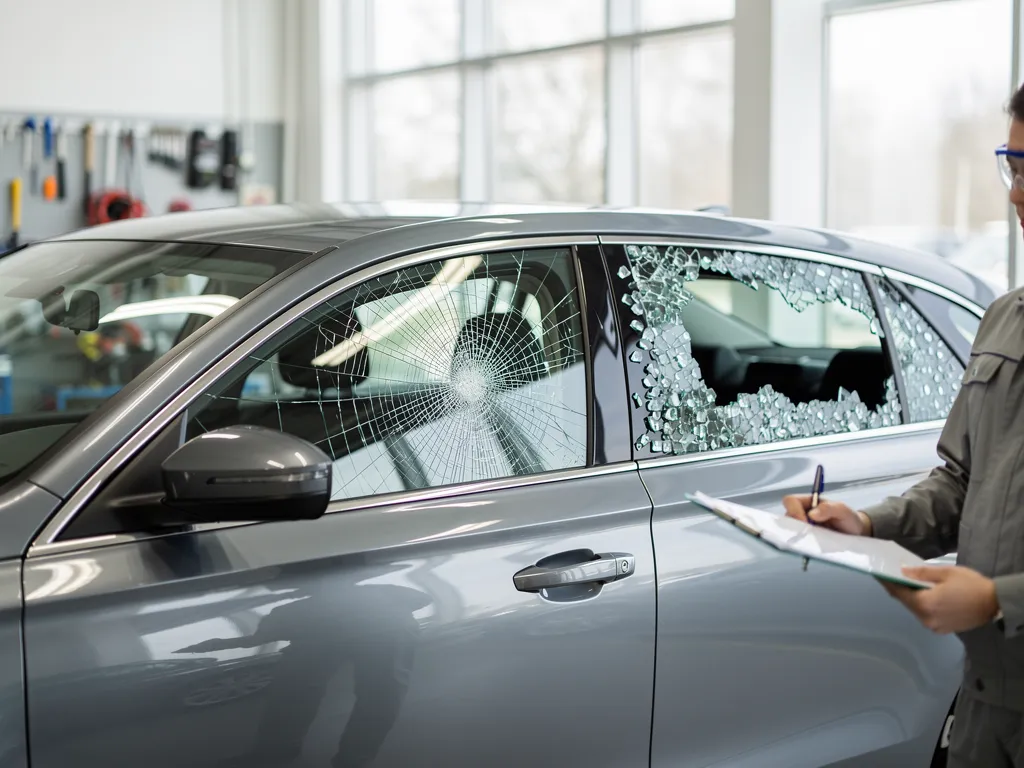
The two primary types of auto glass are laminated and tempered glass. Laminated glass is made of multiple layers fused with a resin interlayer, which provides high safety and noise reduction. Tempered glass is heat-treated for increased strength and, when broken, fragments into small granular pieces to reduce injury risk.
How Does Laminated Glass Differ From Tempered Glass?
Laminated glass stays mostly intact when shattered, minimizing flying debris and injury. In contrast, tempered glass breaks into small, blunt fragments, reducing the chance of severe cuts. This difference in behavior under impact is a key safety feature acknowledged by vehicle manufacturers and the national highway traffic safety administration.
What Are the Characteristics of Windshield Glass?
Windshields are almost always made of laminated glass to protect the driver. Its multi-layer structure not only improves safety but also provides excellent ultraviolet protection and acoustic insulation, reducing glare and enhancing comfort during long trips.
How Do Side and Rear Window Glass Types Compare?
Side and rear windows usually use tempered glass. Although less resistant to minor stresses than laminated glass, its uniform breakage pattern in extreme impact reduces injury risks. This design works well with a vehicle’s overall safety system by preserving structural integrity during accidents.
How Do Safety Features Vary Among Auto Glass Types?
Different auto glass types are engineered with specific safety goals. Laminated glass offers superior impact resistance by keeping shattered pieces together, while tempered glass reduces laceration risks by breaking uniformly into small pieces.
Why Is Laminated Glass Safer for Windshields?
Laminated glass is preferred for windshields because its multi-layer design prevents shards from dispersing. The resin interlayer helps maintain the glass’s overall structure, reducing ejection risks and providing additional sound insulation to lessen the impact of flying debris.
What Makes Tempered Glass Suitable for Side and Rear Windows?
Tempered glass undergoes a thermal process that boosts its strength while ensuring a safe breakage pattern. Its tendency to fragment into small, blunt pieces makes it an ideal choice for side and rear windows where the risk of injury from sharp glass must be minimized.
How Does Auto Glass Affect Vehicle Crash Protection?
Auto glass contributes significantly to crash protection. Laminated windshields act as a barrier to keep occupants from being ejected and help maintain roof integrity during rollovers. Tempered glass, used in other windows, minimizes the risk of lacerations during collisions, supporting the vehicle’s overall safety system.
What Are the Visual and Functional Differences in Auto Glass?
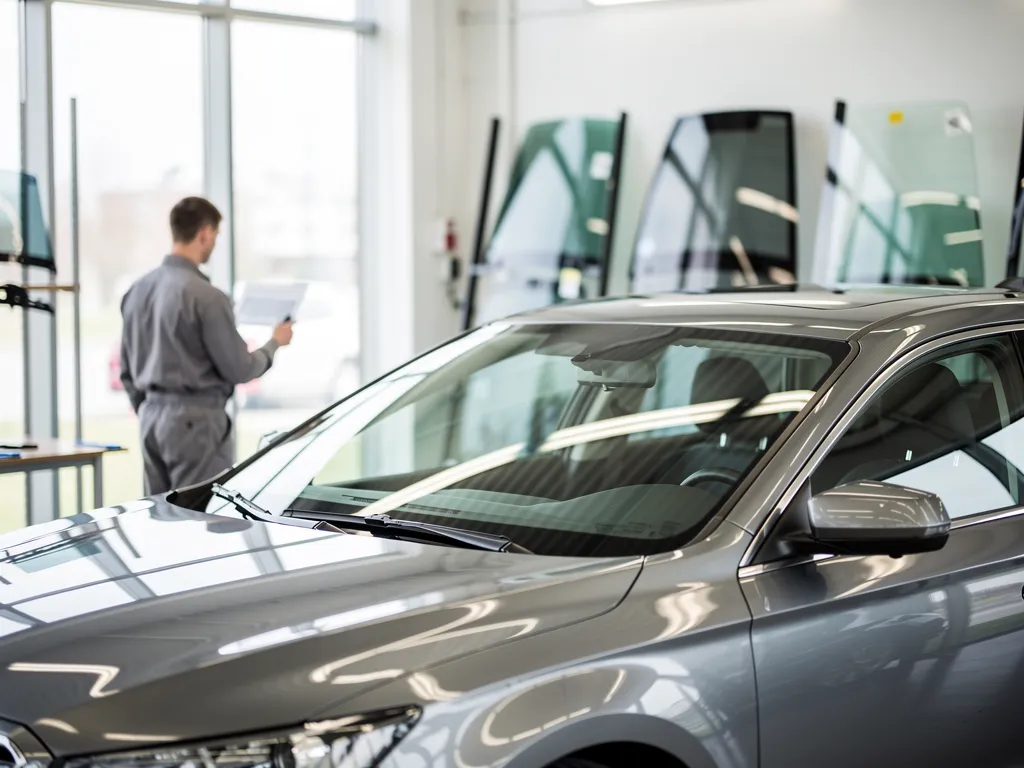
Visually and functionally, auto glass types differ. Windshields are designed for clarity and noise reduction, while side and rear windows might include window film for privacy and additional UV protection. The material properties and manufacturing processes ultimately determine these visual and functional attributes.
How Does Window Film Vary Across Auto Glass Types?
Both laminated and tempered glass can be fitted with protective window film. Windshields often feature extra UV-blocking coatings, whereas side windows use window film primarily to reduce glare and enhance privacy. The effectiveness of the film depends on the glass type and the quality of the material applied.
What Is the Role of UV Protection in Different Auto Glass?
UV protection is crucial in preventing interior damage and protecting occupants’ skin. Laminated windshields usually include a UV-blocking layer within the resin, while side windows benefit from window film-treated tempered glass that provides secondary protection against ultraviolet rays.
How Does Sound Insulation Differ Between Glass Types?
Laminated glass naturally reduces noise thanks to its interlayer, providing superior sound insulation compared to tempered glass. Those seeking a quieter cabin might also use additional window film or upgraded laminated systems to further reduce road and wind noise.
How Do Auto Glass Types Impact Repair and Replacement?
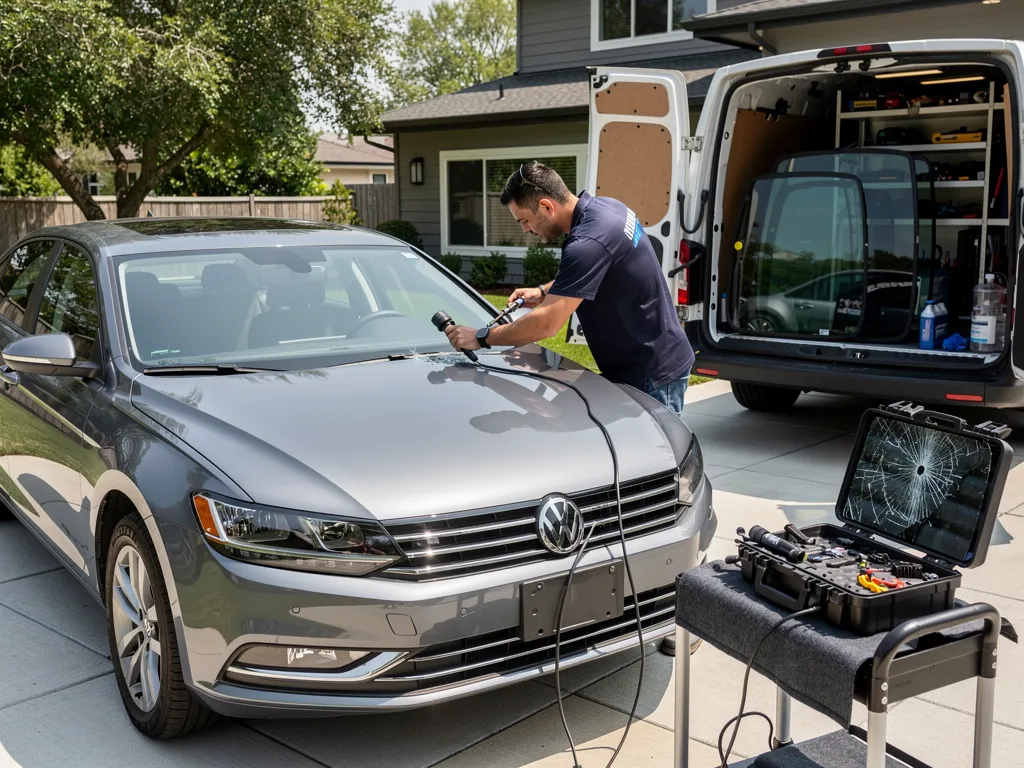
Repair and replacement vary by glass type. Laminated glass, because of its layered design, may require special repair techniques like resin injections to restore integrity. Tempered glass, with its uniform structure, is often replaced entirely once damaged, though minor cracks may sometimes be repairable. For urgent situations, Prime Auto Glass & Tint’s Mobile Auto Glass Repair service can address many of these needs on-site, at the vehicle owner’s chosen location.
Which Auto Glass Types Are Easier to Repair?
Tempered glass is simpler and less expensive to repair for minor cracks but is generally replaced when damaged. Laminated glass repairs can be more complex and costly, although they may restore both strength and appearance using resin treatment methods depending on the extent of the damage.
How Does Replacement Cost Vary by Glass Type?
Replacement costs differ significantly between the two types. Laminated glass, often used for windshields with features such as ADAS calibration, is typically more costly due to its complex makeup. Tempered glass used in side and rear windows generally costs less because of its simpler manufacturing process.
What Role Does Windshield Calibration (ADAS) Play in Auto Glass Replacement?
Modern windshields with integrated Advanced Driver Assistance Systems (ADAS) require sensor recalibration after replacement, a process known as Windshield Calibration. This recalibration is essential to maintain functionalities like lane-keeping and collision avoidance and adds to the overall cost, emphasizing the need for original equipment manufacturer (OEM) glass.
What Are the Environmental and Durability Differences in Auto Glass?
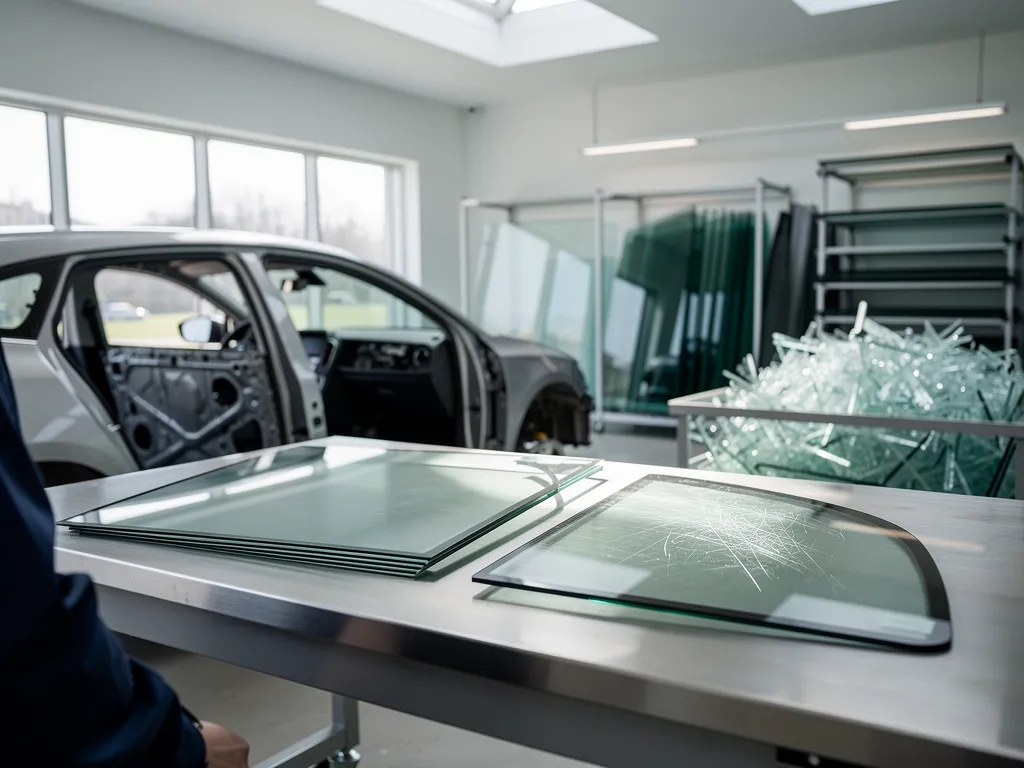
Environmental impact and durability are important considerations. Laminated glass tends to be more durable and resistant to environmental stress, while tempered glass, despite its strength, might show more surface scratches over time. Both types offer benefits like recyclability and energy-efficient manufacturing.
How Resistant Are Different Auto Glass Types to Weather and Impact?
Laminated glass, thanks to its layered design and protective coatings, resists weathering and impacts effectively. Tempered glass is very tough against strong impacts but can be more prone to surface damage. Overall, laminated glass may offer a longer service life under varying weather conditions.
What Environmental Benefits Do Laminated and Tempered Glass Offer?
Both glass types contribute to environmental sustainability. Laminated glass, with its inherent noise reduction and UV protection, can help reduce energy consumption in climate control, while tempered glass benefits from efficient production processes that result in a smaller carbon footprint.
How Does Glass Thickness Affect Durability and Safety?
The thickness of auto glass is a key safety factor. Thicker glass generally provides better impact resistance, though it can add weight that may affect vehicle dynamics. Manufacturers strive to balance thickness to ensure both strength and light weight, preserving safety without compromising performance.
How Do Insurance and Warranty Policies Differ by Auto Glass Type?

Insurance and warranties vary with the type of auto glass installed. Standard tempered glass is usually covered under basic policies, whereas laminated glass, especially with advanced safety integrations, may require specific warranty plans. Knowing these details can help avoid unexpected repair expenses.
What Auto Glass Types Are Typically Covered by Insurance?
Most insurance companies cover damage to both laminated and tempered glass. However, policy details vary; comprehensive policies often include windshield repair or replacement, while damage to specialized laminated glass with ADAS technology might require extended warranties or additional coverage.
How Do Warranties Vary for Laminated vs. Tempered Glass?
Warranties for laminated glass are often longer because of its complex design and integrated safety features, whereas tempered glass warranties are generally shorter due to its simpler construction. Vehicle owners should review warranty details carefully to ensure they have the necessary coverage.
What Should Vehicle Owners Know About Insurance Claims for Auto Glass?
When filing an insurance claim for auto glass damage, it is important to provide proof of damage and to ensure that replacement materials are OEM quality. If ADAS calibration is involved, proper documentation may be required to facilitate a smooth claims process and minimize out-of-pocket costs.
How Can Vehicle Owners Choose the Right Auto Glass Type?

Choosing the right type of auto glass requires careful consideration of safety, cost, technology, and environmental factors. Prime Auto Glass & Tint recommends that vehicle owners in the Ottawa-Gatineau area follow manufacturer specifications and consider factors such as ADAS integration, local weather, and overall vehicle design before making a decision.
What Factors Should Influence Your Auto Glass Selection?
Safety ratings, durability, repair cost, UV protection, and noise reduction are important factors when selecting auto glass. Vehicle make and model also influence the choice, as some manufacturers recommend a specific type to match design requirements and optimize performance.
How Do Vehicle Make and Model Affect Glass Type Choice?
Different vehicles are built with particular glass types in mind. High-end models often feature laminated windshields with integrated sensors, while many economy cars use standard tempered glass. Following the manufacturer’s guidelines helps ensure that the proper glass is used for safety and performance.
When Is It Necessary to Upgrade to Specialized Auto Glass?
Upgrading to specialized auto glass is recommended for vehicles equipped with advanced safety systems like ADAS or when additional benefits such as better UV protection and enhanced noise insulation are desired. This upgrade may also be the best choice for drivers exposed to harsh environmental conditions and serious road stress.
| Auto Glass Type | Key Feature | Advantage | Typical Use |
|---|---|---|---|
| Laminated Glass | Multi-layer construction | Superior impact resistance and safety | Windshields with ADAS |
| Tempered Glass | Heat-treated for strength | Fragments safely to reduce laceration risks | Side and rear windows |
| Specialized Auto Glass | Enhanced coatings and sensors | Advanced UV protection and noise reduction | High-end vehicles, luxury models |
This table summarizes how different auto glass types compare in features, advantages, and common applications.
Frequently Asked Questions
Q: What is the primary safety advantage of laminated glass? A: Laminated glass keeps its layers intact upon impact, which reduces flying debris and enhances passenger safety.
Q: Why is tempered glass commonly used for side and rear windows? A: Tempered glass shatters into small, less dangerous pieces, making it a safer option for areas other than windshields.
Q: How does ADAS calibration affect windshield replacement cost? A: ADAS calibration, also known as Windshield Calibration, increases replacement costs because the sensors must be recalibrated to ensure proper function post-installation.
Q: What environmental benefits does laminated glass offer? A: Laminated glass improves energy efficiency through better UV protection and sound insulation, thereby potentially reducing energy use.
Q: Can vehicle owners upgrade to specialized auto glass at any time? A: Yes, upgrading is recommended when enhanced safety or additional features are needed, particularly for vehicles equipped with ADAS.
Final Thoughts

In summary, auto glass types vary greatly in safety, repair complexity, visual appeal, and environmental impact. Laminated glass is favored for windshields because it offers strong safety and noise reduction, while tempered glass’s safe breakage pattern makes it ideal for side and rear windows. Vehicle owners should select glass that meets OEM specifications and consider factors like Windshield Calibration and warranty coverage to ensure optimal vehicle safety and performance. Prime Auto Glass & Tint provides Mobile Auto Glass Repair and windshield calibration services throughout the Ottawa-Gatineau region to help vehicle owners make exactly these decisions with confidence.
Book Your Appointment
Ready for a glass repair, replacement, or Windshield Calibration you can trust? Prime Auto Glass & Tint serves drivers throughout the Ottawa-Gatineau area with Mobile Auto Glass Repair that comes to your chosen location. Book Your Appointment today by calling 613.619.0640 or emailing info@primeautoglassandtint.com.