
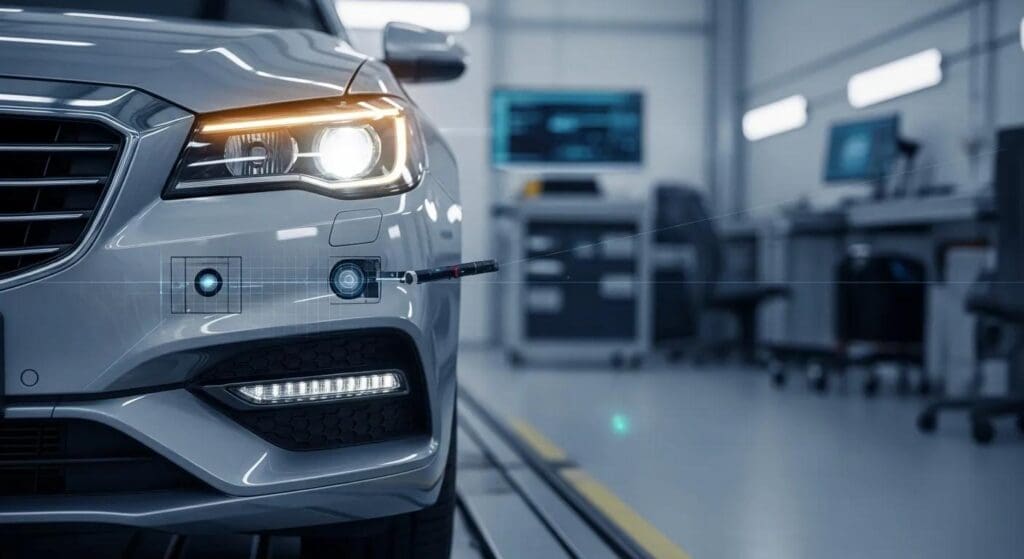
Crucial ADAS Sensor Recalibration
Advanced Driver Assistance Systems (ADAS) are crucial for enhancing vehicle safety, utilizing a combination of sensors, cameras, radar, and sometimes lidar to assist drivers in various situations. However, the effectiveness of these systems heavily relies on precise calibration, especially after any auto glass replacement. This article delves into the significance of ADAS calibration, the types of services available, signs indicating the need for recalibration, and the processes involved. Additionally, we will explore how window tinting can affect ADAS sensors and the costs associated with professional calibration services. Understanding these aspects is vital for ensuring optimal vehicle safety and performance.
What is ADAS Calibration and Why is it Critical After Auto Glass Replacement?
ADAS calibration refers to the process of aligning and adjusting the sensors and cameras that are part of the ADAS to ensure they function correctly. This process is critical after auto glass replacement because even minor misalignments can lead to significant safety issues. Proper calibration ensures that the vehicle’s safety features, such as lane departure warnings and collision avoidance systems, operate effectively. Without accurate calibration, drivers may face increased risks on the road, as the systems may not respond as intended in critical situations.
Understanding ADAS Systems: Cameras, Radar, and Lidar Components
ADAS systems consist of various components, including cameras, radar, and lidar, each playing a unique role in vehicle safety. Cameras are primarily used for lane-keeping assistance and traffic sign recognition, while radar sensors are essential for adaptive cruise control and collision detection. Lidar, although less common in some vehicle models, provides precise distance measurements to surrounding objects. Understanding these components is crucial for recognizing the importance of their proper calibration.
How Windshield Replacement Impacts Sensor Accuracy and Vehicle Safety
Windshield replacement can significantly impact the accuracy of ADAS sensors. If the new windshield is not installed correctly, it can lead to misalignment of the sensors, resulting in faulty readings. Research and industry sources indicate that improper installation can cause sensor misalignment, which can severely affect the performance of safety features. Therefore, ensuring that the windshield is replaced by professionals who understand the importance of ADAS calibration is essential for maintaining vehicle safety.
Which Types of ADAS Calibration Services Are Essential for Vehicle Safety?
Several types of ADAS calibration services are essential for ensuring vehicle safety. These services include camera calibration, radar sensor alignment, and more, each addressing specific aspects of the ADAS functionality.
Camera Calibration for Vehicles: Ensuring Lane Departure Warning Accuracy
Camera calibration is vital for ensuring that lane departure warning systems function correctly. This process involves adjusting the camera’s angle and position to ensure it accurately detects lane markings. If the camera is misaligned, the system may fail to alert the driver when they unintentionally drift out of their lane, increasing the risk of accidents.
Radar Sensor Alignment and Its Role in Collision Warning Systems
Radar sensor alignment is another critical service that ensures collision warning systems operate effectively. These sensors detect the distance and speed of vehicles ahead, allowing the system to warn the driver of potential collisions. Misalignment can lead to false readings, causing the system to either fail to alert the driver or issue unnecessary warnings, both of which can compromise safety.
What Are the Signs Your Vehicle Needs ADAS Sensor Recalibration?
Recognizing the signs that your vehicle needs ADAS sensor recalibration is crucial for maintaining safety on the road. Common symptoms include warning lights on the dashboard, inconsistent performance of safety features, and unusual behavior of the vehicle during driving.
Common Symptoms of Improper ADAS Calibration
Some common symptoms of improper ADAS calibration include:
- Warning Lights : Activation of warning lights related to ADAS features.
- Inconsistent Alerts : Safety features providing alerts at inappropriate times.
- Vehicle Drift : The vehicle drifts out of its lane without warning.
These symptoms indicate that the ADAS may not be functioning correctly, necessitating immediate recalibration.
How Sensor Misalignment Affects Vehicle Safety Features
Sensor misalignment can severely affect vehicle safety features. For instance, if the collision warning system is misaligned, it may fail to detect an approaching vehicle, leading to potential accidents. Similarly, lane departure warnings may not activate, increasing the risk of unintentional lane changes. Regular checks and recalibration are essential to ensure these systems work as intended.
How is ADAS Calibration Performed and What Does the Process Involve?
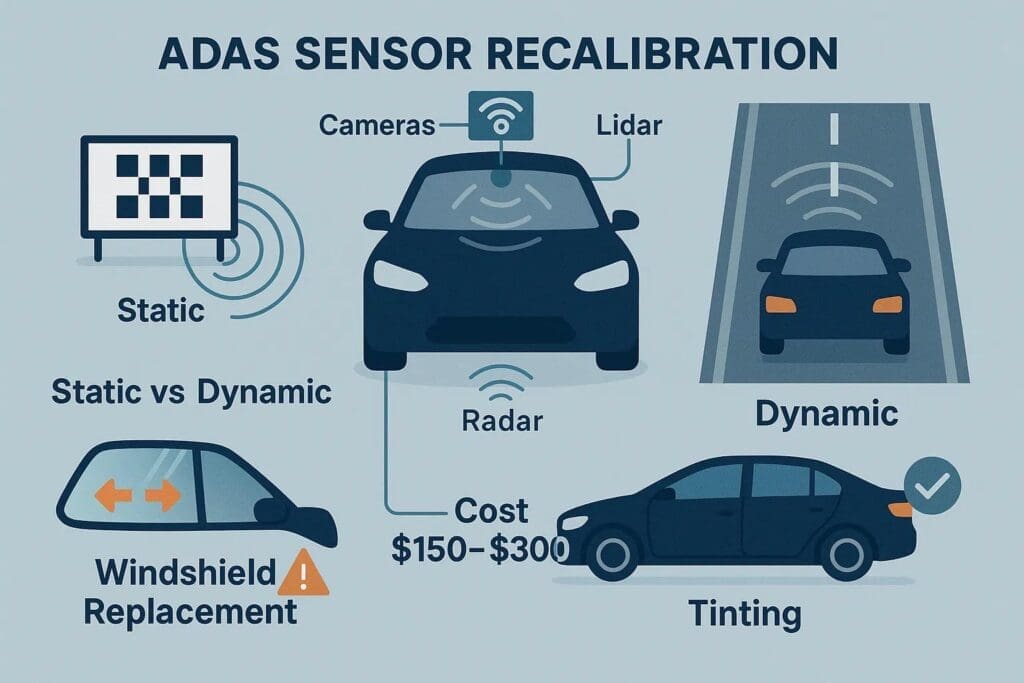
The ADAS calibration process involves several steps to ensure that all sensors and cameras are correctly aligned and functioning. This process can be categorized into static and dynamic calibration methods.
Static vs. Dynamic Calibration Methods Explained
Static calibration involves adjusting the sensors while the vehicle is stationary, often using specialized equipment to ensure precise alignment. Dynamic calibration, on the other hand, requires the vehicle to be driven under specific conditions to allow the sensors to calibrate themselves based on real-world data. Both methods are essential for ensuring that the ADAS functions correctly.
Integration of Calibration with Auto Glass ADAS Services
Integrating ADAS calibration with auto glass services is crucial for ensuring that the vehicle’s safety features are maintained. Companies like Prime Auto Glass and Tint specialize in auto glass repair and replacement, emphasizing the importance of ADAS calibration in their services. This integration ensures that customers receive comprehensive care for their vehicles, enhancing overall safety.
What Are the Costs and Benefits of Professional ADAS Sensor Recalibration?
Understanding the costs and benefits of professional ADAS sensor recalibration is essential for vehicle owners. While costs can vary, the benefits of ensuring that safety features function correctly far outweigh the expenses.
Factors Influencing ADAS Calibration Pricing
Several factors influence the pricing of ADAS calibration services, including the type of vehicle, the complexity of the calibration process, and the specific services required. On average, calibration services can range from $150 to $300, depending on these variables.
Warranty, Compliance, and Insurance Implications of Proper Calibration
Proper ADAS calibration has significant implications for warranty and insurance compliance. Many manufacturers require that calibration be performed after any windshield replacement to maintain warranty coverage. Additionally, insurance companies may require proof of calibration to process claims related to accidents involving ADAS features. Ensuring proper calibration not only enhances safety but also protects the vehicle owner’s financial interests.
How Does Window Tinting Affect ADAS Sensors and Calibration Needs?
Window tinting can impact the performance of ADAS sensors, making it essential to consider the type of tint used and its application.
Interaction Between Window Tint Films and Sensor Performance
Certain window tint films can interfere with the signals used by ADAS sensors, particularly those that rely on infrared or radar technology. It is crucial to choose window films that are compatible with these systems to avoid compromising their functionality.
Best Practices for Tinting Without Compromising ADAS Accuracy
To ensure that ADAS accuracy is not compromised during window tinting, consider the following best practices:
- Choose Compatible Films : Select films specifically designed to work with ADAS sensors.
- Professional Installation : Have the tint applied by professionals who understand the implications for ADAS.
- Regular Checks : Schedule regular checks to ensure that the tint does not affect sensor performance.
By following these practices, vehicle owners can enjoy the benefits of window tinting without sacrificing the effectiveness of their ADAS.
Frequently Asked Questions
1. How often should ADAS calibration be performed?
ADAS calibration should ideally be performed whenever there is a significant change to the vehicle, such as after a windshield replacement, collision repair, or suspension work. Additionally, it is recommended to have the system checked annually or whenever you notice any signs of misalignment, such as warning lights or inconsistent performance of safety features. Regular checks help ensure that the ADAS functions correctly, enhancing overall vehicle safety.
2. Can I perform ADAS calibration myself?
While some basic checks can be done by vehicle owners, ADAS calibration is a complex process that typically requires specialized equipment and expertise. Professional technicians are trained to perform both static and dynamic calibration methods, ensuring that all sensors and cameras are accurately aligned. Attempting to calibrate the system without proper tools and knowledge can lead to further misalignment and compromise vehicle safety.
3. What are the potential risks of not recalibrating ADAS after windshield replacement?
Failing to recalibrate ADAS after windshield replacement can lead to significant safety risks. Misaligned sensors may not detect obstacles or lane markings accurately, increasing the likelihood of accidents. Features such as collision warnings and lane departure alerts may malfunction, leaving drivers unaware of potential dangers. This oversight can not only endanger lives but may also void warranties and affect insurance claims related to ADAS functionality.
4. Are there specific types of vehicles that require more frequent ADAS calibration?
Yes, certain vehicles, particularly those equipped with advanced ADAS features, may require more frequent calibration. Luxury vehicles and those with multiple sensors, such as adaptive cruise control and automated parking systems, often have more complex calibration needs. Additionally, vehicles that frequently undergo repairs or modifications may also benefit from more regular checks to ensure all systems are functioning optimally.
5. How does weather affect ADAS sensor performance?
Weather conditions can significantly impact ADAS sensor performance. Rain, snow, fog, and ice can obstruct cameras and sensors, leading to inaccurate readings. For instance, heavy rain can cause cameras to misinterpret lane markings, while snow accumulation can block radar signals. Regular maintenance and checks are essential, especially after severe weather, to ensure that sensors are clean and functioning correctly for optimal safety. Windshield calibration is crucial for maintaining the performance of ADAS sensors.
6. What should I do if my vehicle's ADAS features are malfunctioning?
If you notice that your vehicle’s ADAS features are malfunctioning, the first step is to check for any warning lights on the dashboard. If any are illuminated, consult your vehicle’s manual for guidance. It is advisable to take your vehicle to a certified technician who specializes in ADAS calibration. They can diagnose the issue and perform necessary recalibrations or repairs to restore the system’s functionality.
7. How can I ensure my vehicle's ADAS remains effective after modifications?
To maintain the effectiveness of your vehicle’s ADAS after modifications, always consult with professionals who understand the implications of such changes. Ensure that any work done, such as suspension adjustments or body repairs, includes a recalibration of the ADAS. Additionally, regular maintenance checks and following manufacturer guidelines will help keep the system functioning correctly, ensuring your safety on the road.
Conclusion
Ensuring proper ADAS sensor recalibration is essential for maintaining vehicle safety and performance, particularly after windshield replacements. By understanding the calibration process and recognizing the signs of misalignment, vehicle owners can protect themselves and their passengers from potential hazards. Investing in professional calibration services not only enhances safety but also safeguards warranty and insurance compliance. Take the next step towards safer driving by scheduling your ADAS calibration today.